
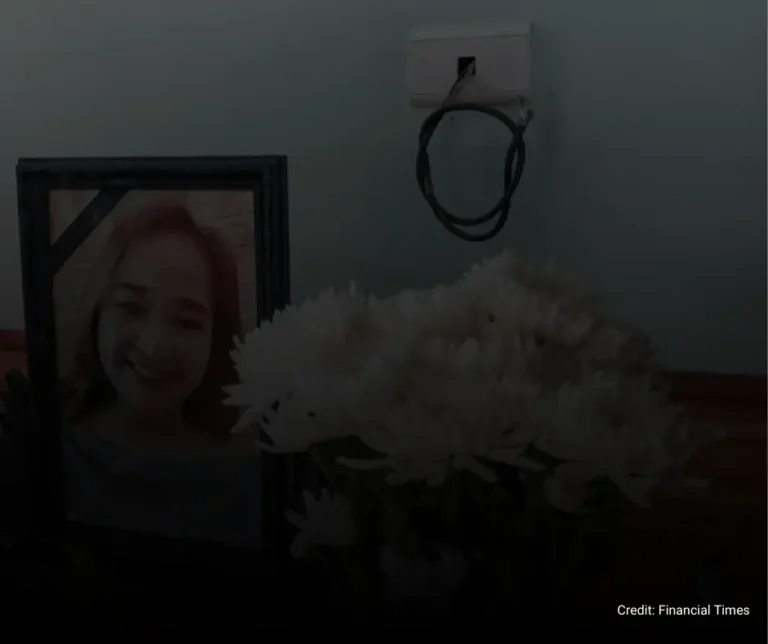
Apr 28, 2021 – “I am really, really sorry, Mum and Dad, my trip to a foreign land has failed,” Pham Thi Tra My, 26, texted her parents in words reported around the world.
The young woman’s words created a sensation in Vietnam and cast the global industry of people smuggling in an even harsher light. The UK is one of the top destinations for Vietnamese migrants, who often pay smugglers to get them into the country. Once they arrive, they usually work in nail salons, restaurants or on cannabis farms.
“The day the lorry went to Essex, it was not the only lorry,” says Diep Vuong, president and co-founder of the Pacific Links Foundation, a group that fights the trafficking of women and young people. “There were at least three of them. Many families who thought their relatives were on this ill-fated Essex 39 lorry had posted on social media praying for their safety, but then later said that these relatives arrived safely.”
In Vietnam and globally, the tragedy has provoked soul-searching and raised questions. Why would economic migrants risk their lives to travel to Britain under dangerous conditions for menial, undocumented work when Vietnam’s growing economy is creating millions of new jobs? Who was to blame for the racket in the UK and Vietnam? And how might young people be warned about the risk of paying for an illegal passage?
